Everything you need to know before you order
A practical guide to the menu, the numbers and how this site works.
Why this guide exists
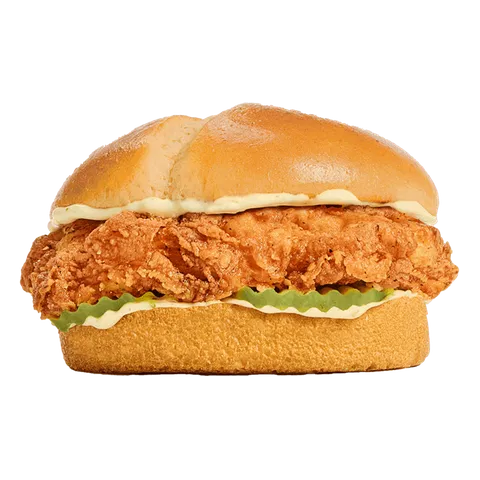
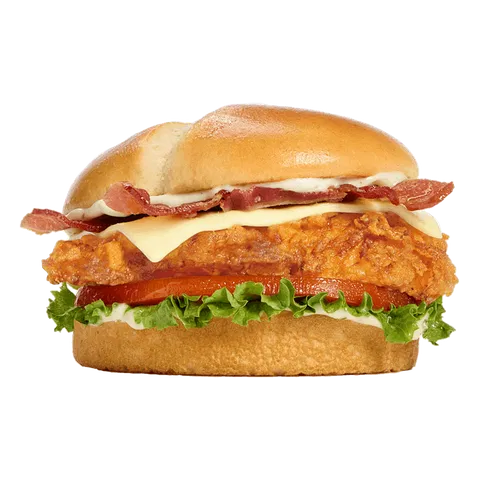
Slim Chickens fans run into the same problem every time they want to order: the menu is on one site, the nutrition numbers are on another, the prices live inside a delivery app, and the address of the nearest store is buried in a franchise directory. Answering a simple question like how much protein is in a Chicken Club Sandwich, or which nearby location serves it, means opening four tabs and hoping the numbers agree. SCM Guide puts all of that into one searchable structure so you can find the dish, read the numbers and see where it is served without leaving the page.
This site is an independent fan project. We are not Slim Chickens, we are not paid by the restaurant and nobody there has reviewed or endorsed what you are reading. Everything here is compiled from public sources: menu names, descriptions and estimated prices from public delivery listings, published nutrition figures from nutrition references for the US menu, and real store addresses from the franchise location directory. Where a figure has not been published, we say so instead of inventing one.
How to use this site in thirty seconds
Start with the category grid above if you know what you are in the mood for. Each category opens a page listing every dish in that section with its estimated price and the nutrition figures we can verify. Open any dish for the full breakdown: calories, protein, fat, carbohydrate, sodium, the ingredient description, allergen notes and a comparison with the closest alternatives in the same category.
If a number is what brought you here, use the nutrition links. The nutrition hub explains where the figures come from and how to read a serving size. The low-calorie, high-protein and low-sodium guides sort the same dataset by the question people actually ask. The allergen guide and gluten-free page explain what the published data supports and where cross-contact from shared fryers applies.
If you are trying to find food, the location index lists every state with real store addresses, and each state page groups those addresses by city. Prices, nutrition and menu availability are broadly consistent nationwide, but hours and stock change, so confirm the details with the store before you travel.
A note on prices, and why yours may differ
Every price on SCM is an estimate taken from public delivery listings. It is a reference point, not a quote. Slim Chickens sets prices locally, so the same order can cost different amounts in different cities, and the same store can show different numbers for dine-in, pickup and delivery. Delivery apps add their own markups and fees on top of the menu price. The only price you can rely on is the one on the official ordering page at your address on the day you order.
The range shown on each category card is built from the lowest and highest estimated price in that section. It is meant to set expectations before you click through, not to describe any particular store. Individual item pages carry their own estimate, and the menu-with-prices page pulls all of them into one table. Treat the whole price layer as orientation, then confirm at the counter.
Reading nutrition honestly
A published nutrition figure describes a listed serving, not necessarily the plate in front of you. Slim Chickens food is hand-prepared, and the brand notes that values vary with portion and preparation. A grilled tender is published at 56 calories per piece; a meal of several tenders plus toast, a side, sauce and a drink is a very different total. The first step in reading any number is asking what it counts.
Calories are only one of the numbers worth looking at. Protein, fat, carbohydrate and sodium tell different parts of the story, and two items with similar calorie counts can be far apart on sodium. The mac bowls lead the menu on protein but also carry several thousand milligrams of sodium. Slim's Salad with grilled tenders offers 40 grams of protein for 380 calories. There is no single best item, only the item that fits the number you care about.
Where a per-item figure is not published, this site leaves the gap visible. We do not copy a number from a similar dish and present it as if it belonged to another item. That discipline is why some pages say nutrition varies by preparation rather than showing a confident-looking figure that would be wrong.
Allergens, gluten and shared equipment
Published nutrition data does not list allergens dish by dish, and SCM does not publish a per-item allergen chart or guess one from ingredient names. Wheat, milk, egg and soy are common across a menu built on breaded chicken, brioche buns, tortillas, cheese and ranch-style dressing. The bigger issue is process: shared fryers, surfaces and utensils mean cross-contact is possible even where an ingredient list looks safe.
If you have a severe allergy or coeliac disease, tell the restaurant before you order, ask specifically about the fryer and preparation area, and use the brand's own allergen information. Nothing on a third-party guide should be the last word on a medical decision. Our allergen and gluten-free pages explain exactly what the published data does and does not support.
How this site is built and kept current
Every page you see is generated from a single shared dataset. A nutrition figure is typed once and flows to the item page, the category page, the guide and the homepage card that uses it. A correction applied to the dataset updates every page at once, which is how we avoid the common problem of one page saying one thing and another saying something else. The build also checks image paths and page links.
We review the data when the restaurant publishes new information and at least twice a year. Each page shows when it was last reviewed. If you find a number that looks wrong, the contact page takes corrections, and nutrition and allergen corrections are handled first. We do not hide errors: a significant correction is noted on the page it affects.
Frequently asked questions
Is this the official Slim Chickens website?
No. SCM is an independent fan guide, not affiliated with, endorsed by or owned by Slim Chickens. For official information use the restaurant's own website and ordering page.
Are the prices accurate?
They are estimates from public delivery listings and vary by location, order type and date. Confirm the current price on the official ordering page.
Where do the calorie numbers come from?
From published nutrition references for the US menu. We transcribe published figures and leave gaps visible rather than invent numbers.
Why does an item say nutrition varies?
Because no reliable per-item figure is published for it. Hand-prepared food varies, and we will not present a guess as a fact.
Can you tell me if something is allergen-free?
We cannot. Shared fryers and surfaces create cross-contact. Ask the restaurant and use its official allergen information.
How many locations do you cover?
208 stores across 34 states, with addresses compiled from the franchise directory. Hours and phone numbers should be confirmed with the store.
Do you cover every menu item?
93 dishes across 15 categories are documented, each with its own page. If something is missing, use the contact page to tell us.
How often is the site updated?
Whenever new published information appears, and at least twice a year. Each page shows its review date.
Explore more of the guide
The category grid above is the fastest way into the menu, and the popular dish cards give you a shortcut to the items people look for most. Below that you will find the nutrition snapshot, the city index built from real store addresses, and a set of guides that sort the same data by calorie, protein, sodium and dietary need. Every path leads to pages with the same depth of information, so you can go as far as you like.
The city list currently highlights 8 of the most searched locations, including El Paso, TX, Rocky Mount, NC, Hunt Valley, MD, Smithfield, NC. Each one opens a state page with the full set of real addresses grouped by city. If your city is not on the short list, the location index has every state covered.
A field guide to ordering at Slim Chickens
Knowing the menu is one thing; ordering well is another. A short field guide helps. Decide how hungry you are before you reach the counter, because the step up between meal sizes is where most overspending happens. Pick a cooking method deliberately: grilled for a lighter plate, fried for the signature crunch. Choose one side and treat it as part of the meal rather than an afterthought. Pick a sauce and ask for it on the side if texture matters to you. Choose a drink with the total in mind. That is five decisions, and making them yourself rather than accepting defaults is the difference between a random order and the order you actually wanted.
The same five decisions apply whether you are ordering at the counter, in the app or through a delivery platform. The interface changes, but the food does not. If a figure on this site helped you decide, carry it with you: know roughly what you are aiming for before the upsell prompts appear. A guide cannot make the decision for you, but it can make sure the decision is yours.
Different people, different orders
A guide written for everyone ends up written for no one, so it helps to name the common situations. A parent ordering for a child usually wants a smaller portion, a familiar sauce and a drink, which is what the kids meals are built around. Someone feeding a group after a game or a meeting wants a shared format that is easy to divide, which is where family meals and party trays earn their place. A person counting protein after a workout wants the grams without the sodium spike, which points toward grilled options and salads rather than the mac bowls.
Someone watching a budget wants the most food for the least money, which often means a larger meal shared rather than two small ones. Someone managing a medical condition wants neither a guide nor an app to make the call, but the figures to ask better questions. None of these situations has a single correct answer, and the home page is useful precisely because it lets you see the same menu from more than one angle.
Common misconceptions about restaurant nutrition
The first misconception is that a lower calorie number always means a better choice. It does not, because a small piece of chicken and a complete meal are not comparable, and because calories say nothing about sodium or protein. The second is that grilled automatically means healthy. Grilled is lighter than fried, but a grilled wrap in a tortilla with cheese and ranch is still a substantial meal. The third is that published figures are measurements of the exact plate you receive. They are references for a listed serving, and hand preparation introduces variation.
The fourth misconception is that a sauce is too small to matter. Across a meal, a sauce can add a meaningful share of the sodium, and a large drink can add more calories than the difference between two chicken items. The fifth is that a third-party guide can certify a dish as safe for an allergy. It cannot. Once those five ideas are set aside, the numbers become much easier to use: they become a way of comparing options on a level basis rather than a scorecard.
Where accuracy ends and judgement begins
This site is careful about numbers and deliberately quiet about judgement. You will not find a rating, a best-of list or a claim that an item is healthy, because we cannot verify a customer's experience at scale and because health depends on a person's whole diet. What you will find is the published figure, the serving size it describes and a clear note when a figure is missing. The interpretation belongs to you.
That boundary also explains the layout. Each item has its own page rather than a one-line entry in a table, because the context around a number matters as much as the number. Each category has an overview, because choices are made within a format. Each location has a page, because availability is local. The structure is an argument that a guide should give you the tools to decide, not a verdict that saves you the trouble.
Making the most of a reference site
A reference site rewards a little browsing. Opening a category page before you order shows the whole range of formats and prices at once, which makes it easier to spot the item you had not considered. Opening an item page before you commit shows the serving size, so you know whether the number describes a single piece or a full meal. Following one of the sorted guides shows how the menu looks when ranked by the number you care about rather than by the order of the printed menu.
Bookmark the page you use most. If it is a city page, check it again before a trip, since store details change. If it is an item page, check the review date. If it is a nutrition guide, remember that the figures are published values for a listed serving and that the brand notes variation. A site like this works best as a starting point that saves you time, not as the last word on what is in a specific bag of food.
How to spot unreliable information elsewhere
Not every menu page on the internet follows the same rules. A warning sign is a full allergen chart with no source, because published data does not support one. Another is a precise national price list presented as official, because the restaurant does not publish one and prices are set locally. A third is a nutrition table with no serving size, because a number without a portion is impossible to interpret.
When you find a figure, ask four questions. What is the source? What serving does it describe? Is it a published value or someone's calculation? When was it last checked? If a page cannot answer those questions, treat the number as decoration. Every page on SCM is built so that those four questions have an answer, and the editorial policy sets out the method in detail.
A short history of how this guide is assembled
The site began as a way to answer a small set of repeated questions. The menu lives in one place, nutrition in another, prices inside an app and addresses in a directory. Bringing them together meant choosing one source for each kind of information and refusing to fill the gaps. That decision shaped the whole structure: one page per dish, one page per category, one page per state, and a set of guides that re-sort the same data rather than adding new claims.
The build process is deliberately boring. The pages are generated from a single dataset, checked for broken image paths and links, and written as plain HTML that loads quickly and prints cleanly. There is no account, no paywall and no tracking of what you type into the search box. The aim is a reference you can open, read and leave without having given anything away.
Final notes before you go
If you came for a single number, it is somewhere above. If you came to compare, the category and nutrition pages are the fastest route. If you came to find a store, the location index leads to every recorded address. Take what is useful and ignore the rest. Menus change, prices move and recipes are adjusted, so confirm anything that matters with the restaurant before you order or travel.
SCM remains independent and fan-built. Corrections are welcome through the contact page, and nutrition and allergen corrections are handled first. The site is not affiliated with Slim Chickens and is not an official source. It is simply a careful, public-spirited attempt to make one restaurant's published information easier to read, compare and use.